Bridging the gap between Assistant Farm Manager to Farm Manager: Making the Step Up
A practical guide to help ambitious Assistant Farm Managers take the next step in their careers.
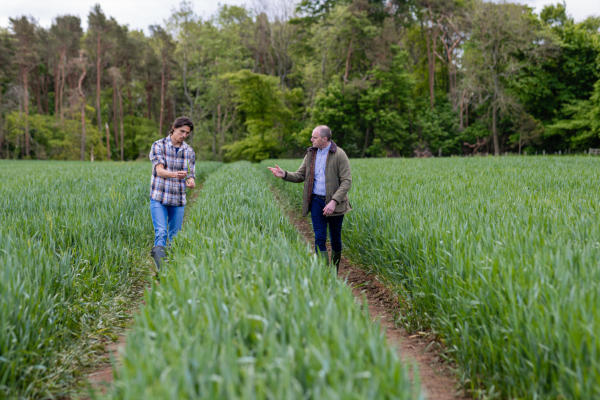
The title Assistant Farm Manager can mean very different things depending on the business. On some large-scale operations, assistants are effectively running the farm day to day, with genuine autonomy and responsibility. On others, the role is little more than a tractor driver with a more senior-sounding job title.
That lack of consistency creates a real challenge when it comes to career progression. Many assistant managers find themselves stuck in the middle ground: clearly more than a machine operator, but not yet trusted as a farm manager.
From an employer’s point of view, promoting or hiring an assistant into a farm management role is a risk. They are making a judgement call on whether someone can step up, take responsibility, lead people and protect the performance of what is often a multi million pound business.
As someone who regularly recruits farm managers, I speak to plenty of farm owners and directors who are open to giving assistants the opportunity. They want to develop talent. But they also need convincing. The assistants who make the leap are the ones who can clearly demonstrate that they already think, act and operate like a farm manager.
If I were an Assistant Farm Manager looking to take that next step, here’s where I would focus my time and energy.
Build Technical Credibility: FACTS and BASIS
Most farm managers still work closely with an agronomist, and rightly so. A good agronomist brings experience from across multiple farms and provides an external, objective view. That isn’t changing.
However, gaining FACTS and BASIS qualifications is one of the clearest ways an assistant can demonstrate that they operate at a higher technical level than the average tractor driver.
These qualifications show three important things to a prospective employer:
- You have an advanced understanding of crop production and inputs
- You are serious about your long-term career, not just your current role
- You are willing to invest time and effort into developing yourself
Having FACTS and BASIS doesn’t mean you intend to replace the agronomist. What it does mean is that you can engage in informed discussions, challenge recommendations when necessary, and understand the commercial and agronomic implications of decisions being made.
At interview, this really matters. Employers want to see that you understand why things are done, not just how. These qualifications are a strong signal that you’re already thinking at management level.
Prove You Can Manage People – Not Just Jobs
People management is the core of a farm manager’s role, and it’s where many succeed or fail.
On a 2,000 or 3,000 acre operation, no one can do everything themselves. Results come through other people. The ability to delegate, lead and get the best out of a team is non negotiable.
Crucially, people management is not just about telling staff what to do.
Good farm managers:
- Train and develop their team
- Create a working environment people want to stay in
- Retain skilled, reliable staff
- Have staff willing to go the extra mile at key times
- Ensure jobs are done properly because the team understands the “why”, not just the task
This is often the number one thing employers are assessing at interview. Not everyone who is technically good at farming is good at managing people within a farming business. The very best farm managers consistently get the best out of those around them.
If you’re an assistant manager, you need tangible examples you can point to:
- Supervising staff or seasonal workers
- Training new team members
- Taking responsibility when the farm manager is on holiday
- Handling issues, performance problems or pressure points
If your current role doesn’t naturally give you this exposure, you need to seek it out. Ask to be involved. Volunteer to take responsibility. Make it clear you want to develop.
Administrative and Compliance Skills: Running a Business, Not Just a Farm
Modern farm managers are business managers first. The role is no longer purely operational.
Employers now expect managers to handle administration and compliance confidently, as this is where risk is controlled and profitability protected.
At a minimum, farm managers should be comfortable with:
- Farm management software such as Gatekeeper
- SFI applications and scheme rules
- Grant applications and ongoing compliance
- Farm assurance standards, including Red Tractor
- Health and safety policies, risk assessments and incident reporting
This may not be the most appealing part of the job, but it’s critical. Poor administration can quickly cost a business time, money and reputation.
If you haven’t had exposure yet, ask for it. Get involved in SFI applications, support assurance inspections, or take ownership of health and safety records. Administration is often the difference between helping to run a farm and being trusted to manage it.
Commercial Awareness: Thinking Like an Owner
Employers don’t just want someone who can keep the wheels turning. They want a farm manager who thinks like a business owner.
That means being commercially aware and confident enough to question whether current practices still make sense.
Strong farm managers:
- Spot opportunities for diversification or added value
- Understand market pressures and how they affect margins
- Question input levels, machinery costs and labour efficiency
- Look beyond “this is how we’ve always done it”
Commercial awareness shows maturity. It demonstrates that you’re not just focused on doing a good job today, but on ensuring the business is still profitable and competitive in five or ten years’ time.
At interview, this often comes out in the way candidates talk. Those who think commercially ask better questions, talk about trade offs, and show they understand the wider context the business operates in.
Budgeting and Financial Exposure: Understanding the Numbers
Understanding money is non negotiable for farm managers.
They are trusted with:
- Budgets and cost control
- Buying inputs and selling produce
- Making decisions that protect margins
- Planning machinery replacement and capital expenditure
You don’t need to have run the entire budget to stand out, but any exposure helps. Being involved in forecasting, sitting in on supplier negotiations, or understanding why certain purchases were made rather than others all builds credibility.
Even limited financial responsibility puts you miles ahead of other candidates who can only talk about operations. Employers want to know you understand the consequences of decisions, not just the technical detail behind them.
Making the step from Assistant Farm Manager to Farm Manager isn’t about waiting for a title change. It’s about consistently demonstrating that you already operate at or near that level. The assistants who progress are the ones who take ownership, seek responsibility and understand the business beyond the field gate. Technical ability gets you noticed, but leadership, commercial thinking and sound administration are what earn trust. Focus on developing those areas, and when the opportunity comes, you won’t be asking for a chance, you’ll be the obvious choice.
Written by Harry Porter
Part of our recruitment team, Harry wrote this article to share his experience on the subject having been heavily involved in recruitment of farm managers and assistant farm managers during his time with De Lacy Executive.


